The Quiet Student in the Back Row Is a Leader Too

There is an unspoken assumption in most schools about who belongs in a leadership program.
It is the student who raises their hand first. The one who runs for student council without being asked. The one who speaks confidently in front of a room and seems to fill it up just by being there.
And if your student is not that person, if they are the one who processes slowly, observes carefully, speaks only when they have something real to say, the message they often receive, not loudly but consistently, is that leadership is for someone else.
That assumption is wrong. And it is costing students.
The Myth That Leadership Is a Personality Type
We have built an entire culture around a particular image of what a leader looks like. Loud. Outgoing. First to speak. Comfortable in the center of attention.
But that image is not what the research describes.
A comprehensive review of youth leadership programs published in the Journal of Adolescence (Karagianni & Montgomery, 2018) found that personality traits — including extraversion — were not strong predictors of leadership skill development in youth. What mattered was structure, practice, and supported experience. Not who the student was before they started. Who they became through the process.
A 2023 meta-analysis in Frontiers in Psychology reinforced this further: introverted and extroverted individuals showed comparable leadership effectiveness when given appropriate contexts and opportunities to develop. The gap was not in potential. It was in access.
That is a critical distinction.
Leadership is not something you are born with or without. Research now points clearly to 70% of leadership capability coming from environmental factors and deliberate development, versus 30% from innate traits. In other words, the vast majority of what makes someone an effective leader can be built.
The students who look like leaders before a program begins are not the ones with the most potential. They are simply the ones who have already had opportunities to practice.
The Students We Keep Overlooking
Here is what we know about who actually gets access to leadership development in schools.
Historically, students who are first-generation, from lower-income households, or from historically marginalized communities are significantly less likely to hold formal leadership positions or participate in structured leadership programs — not because of a lack of potential, but because of a lack of invitation. Research from the Center for Engaged Learning confirms that peer leadership opportunities are not equitably distributed, with access concentrated among students who already have structural advantages.
And then there are the students who fall through a different kind of gap — not because of systemic barriers, but because they are easy to miss.
The student who is quietly overwhelmed but never causes problems. The one who models kindness and responsibility every day but never seeks recognition for it. The one who sets the tone of a room without raising their voice.
A 2025 education analysis described this pattern clearly: quiet students rarely get check-ins, personalized encouragement, or invitations into leadership spaces — not because adults don't care, but because these students don't signal their need in ways the system is built to recognize.
Those students are not disengaged. They are waiting to be seen.
What Quiet Students Bring to the Table
Here is something worth sitting with: some of the most powerful leadership qualities are more common in students we tend to overlook.
Susan Cain's research on introverted leaders, documented extensively in Quiet: The Power of Introverts in a World That Can't Stop Talking, identified that introverted leaders consistently outperform their more extroverted counterparts in specific high-stakes contexts. They listen more carefully. They make more deliberate decisions. They empower their teams rather than dominate them. They build trust over time rather than commanding attention in the moment.
Those are not secondary leadership skills. They are the ones that matter most when things get hard.
Studies show that introverted leaders excel in crisis management, deep listening, and creating environments where other people can bring their best thinking. They do not dominate conversations, they invite them. They do not make impulsive decisions — they deliberate. They do not seek the spotlight. They elevate the people around them.
And here is the other thing: teams with more proactive members are actually more effectively led by introverted leaders. The dynamic is complementary. Quiet leadership is not a lesser version of the loud kind. It is a different, and in many contexts, more effective kind, entirely.
What Happens When Every Student Gets the Chance to Lead
When leadership development is designed for all students — not just the ones who self-select, raise their hands, or already look the part, the outcomes shift in ways that matter.
The randomized controlled trial published in PLoS One (Wong, Lau & Lee, 2012) found that structured leadership programs produced measurable gains in self-esteem and self-efficacy across student populations. Not just in naturally confident students. Across the board. The mechanism is consistent regardless of starting point: students who experience themselves as capable through real leadership challenges build an evidence-based belief in their own capability.
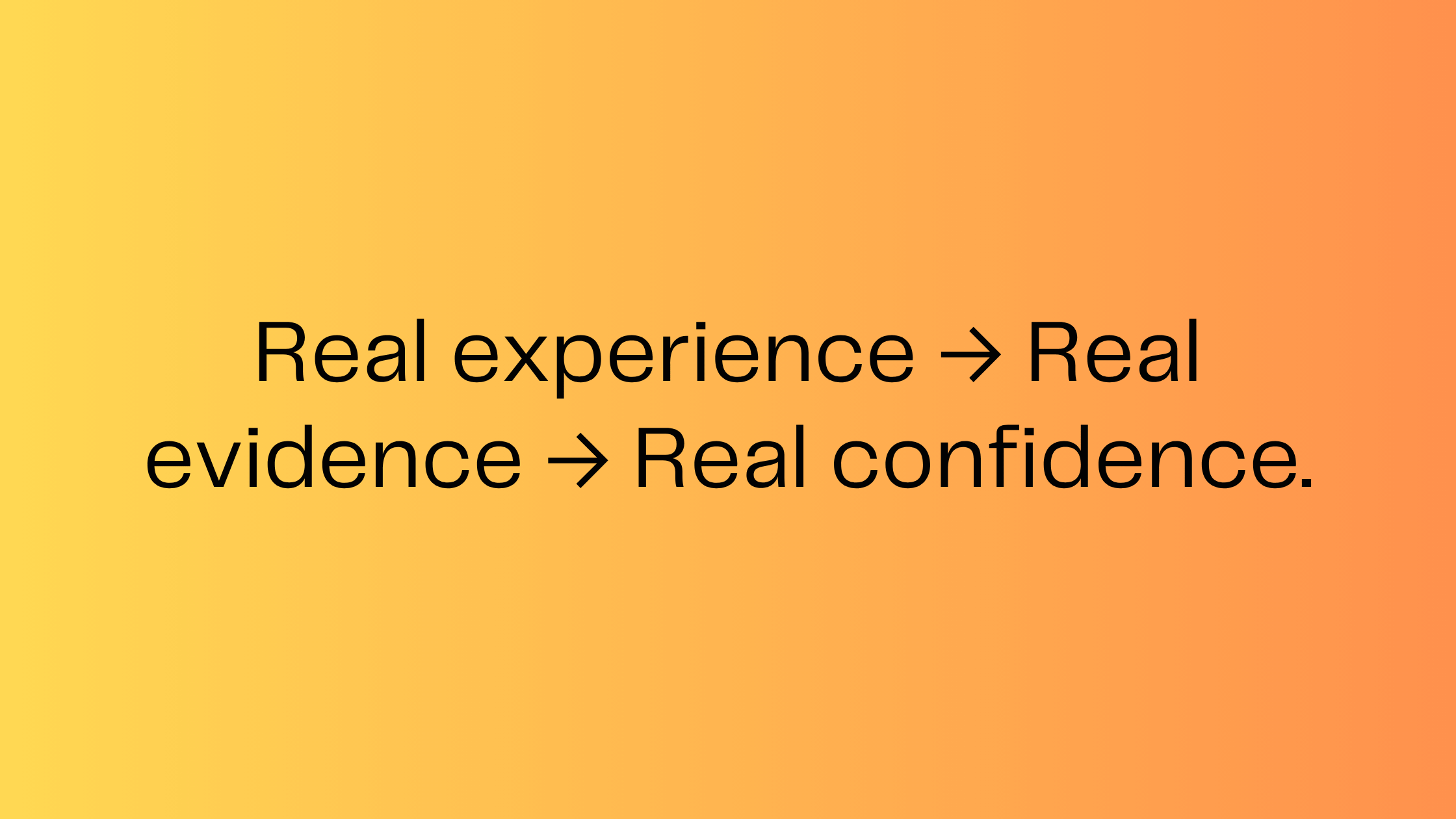
That is the sequence:
> Real experience → Real evidence → Real confidence.
And right now, only 35% of young people worldwide feel prepared to take on leadership roles (MISK Global Youth Index, 2024 — cited by Oliver Wyman). That number is not low because young people lack potential. It is low because the vast majority have never been given a real opportunity to practice.
The students who feel ready to lead are, in most cases, the ones who were given the conditions to practice. Nothing more, nothing less.
What This Means for Parents, Educators, and Program Leaders
If you are a parent, and you are wondering whether a leadership program is right for your quieter, more reserved student, the answer is yes. Especially yes.
Not because they need to become someone else. But because they already have qualities that translate directly into effective leadership. They just need a framework to see it, a space to practice it, and someone who believes they belong in the room.
If you are an educator or program leader, this is a design question as much as a philosophy question. Who are you actively inviting? Who has to self-select versus who gets a personal ask? The students most likely to transform inside a leadership experience are often the ones least likely to apply on their own.
At Agile Ideas Leadership, the NextGen Leadership Lab is built with exactly this in mind. Small cohorts. Mixed-school groups. Experienced coaches who know how to draw out potential that has not had a real outlet, in class, on a team, or at home. Applications are reviewed to ensure every cohort is balanced, motivated, and diverse because the learning is richer when leadership isn't just practiced by one type of person.
Because leadership is not a title. It is a set of practiced behaviors. And every student — including the one in the back row — is capable of developing them.
Frequently Asked Questions
Can introverted students become good leaders?
Yes — and research supports it strongly. Introverted leaders consistently demonstrate strengths in deep listening, thoughtful decision-making, team empowerment, and crisis management. A 2023 meta-analysis in Frontiers in Psychology found comparable leadership effectiveness between introverted and extroverted individuals when given the right context and opportunity to develop. The question is not whether introverted students can lead. It is whether we are giving them the conditions to try.
Is leadership development only for naturally confident teens?
No. Research shows that 70% of leadership capability comes from deliberate development and environmental factors, not innate traits. Studies of youth leadership programs consistently find that personality, including extraversion, is not a strong predictor of leadership skill development. What predicts growth is structured experience with real responsibility and supported reflection. Confidence is an outcome of leadership development, not a prerequisite for it.
Why are quiet students often overlooked in leadership programs?
Quiet students rarely signal their potential in the ways schools are built to recognize. They do not raise their hands, run for office, or make themselves visible in the traditional ways. Because they tend not to cause problems or draw attention, they often do not receive the personal invitations or encouragement that pull students into leadership spaces. This is a design problem, not a potential problem.
What do the best leadership programs for all students look like?
They are structured, experiential, and intentionally inclusive. They do not rely solely on self-selection. They create real situations — not simulations — where students practice leading, communicating, and problem-solving. They use small group formats that allow less-dominant voices to be heard, and they are facilitated by coaches trained to draw out potential across different personality types and learning styles.
How do leadership programs help introverted or shy students specifically?
Structured leadership programs give quieter students something most classroom environments cannot: a deliberate invitation to lead in a context designed for growth. Small cohorts, clearly defined roles, and real responsibilities create the conditions for quieter students to practice leadership in lower-stakes environments. Over time, those experiences build the internal evidence: "I did that, I figured that out" — that translates into genuine confidence.